How to Ensure Consistent Fabric Color Quality in Every Batch When Working with Dyeing Mill
- Jun 23
- 3 min read
Color consistency is a critical factor in textile production, especially when working with mill dyed fabrics. Variations in color between batches can lead to costly returns, dissatisfied customers, and damage to brand reputation. Achieving the same color in every batch requires a combination of precise processes, quality control, and communication between all parties involved. This post explores practical steps and best practices to ensure consistent color quality in mill dyed fabric production.
Understanding Mill Dyeing and Its Challenges
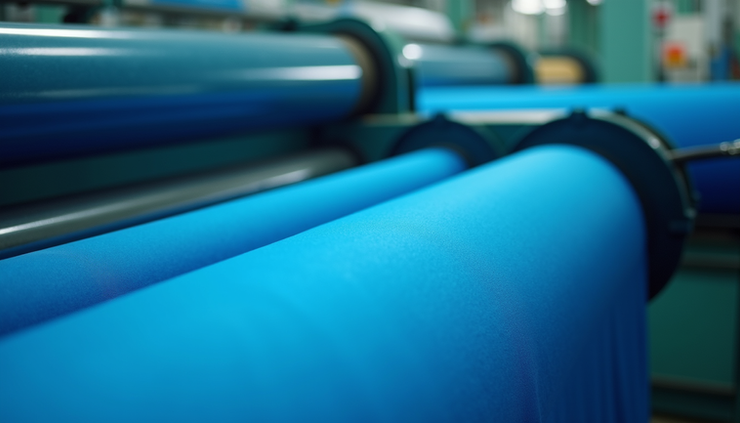
Mill dyeing refers to the process where fabric is dyed after it has been woven or knitted, typically in large batches at the textile mill. This method allows for better control over color penetration and fabric feel compared to yarn dyeing or piece dyeing.
However, several factors can cause color variation between batches:
Differences in raw fabric batches
Variations in dye lots or chemical suppliers
Changes in water quality or temperature
Inconsistent dyeing machine settings
Human error during the dyeing process
Recognizing these challenges is the first step toward controlling color consistency.
Standardizing Raw Materials and Inputs
The foundation of consistent color starts with the raw materials. Fabric composition, weave tightness, and finishing treatments all influence how the fabric absorbs dye.
Use the same fabric supplier and lot: Request fabric from the same production lot or batch to reduce variability.
Control fabric preparation: Ensure the fabric is scoured and prepared uniformly before dyeing.
Standardize water quality: Water pH, hardness, and mineral content affect dye uptake. Use filtered or treated water with consistent parameters.
Source dyes and chemicals consistently: Use the same dye brand and chemical suppliers to avoid differences in dye strength or composition.
Precise Dye Recipe Formulation
A detailed and documented dye recipe is essential. This recipe includes the exact types and amounts of dyes, auxiliaries, water ratios, and process parameters.
Develop a master recipe: Create a recipe based on lab trials and sample approvals.
Record all variables: Include temperature, time, liquor ratio, and pH in the recipe.
Use spectrophotometers: Measure color values (e.g., CIELAB values) to quantify the exact shade.
Adjust recipes carefully: If minor adjustments are needed, document changes and test before full production.
Implementing Rigorous Quality Control
Quality control must be integrated at every stage of the dyeing process.
Pre-dye inspection: Check fabric for defects or contamination.
In-process monitoring: Use color measurement tools during dyeing to catch deviations early.
Post-dye testing: Compare dyed fabric samples against approved standards using colorimeters or spectrophotometers.
Batch sampling: Take samples from different parts of the batch to ensure uniformity.
Maintaining Equipment and Process Consistency
Dyeing machines and equipment condition directly impact color results.
Regular maintenance: Clean dye vats, pipes, and rollers to prevent contamination.
Calibrate machines: Ensure temperature sensors, pH meters, and dosing pumps are accurate.
Standardize machine settings: Use the same speed, temperature, and cycle times for each batch.
Train operators: Skilled operators reduce human error and maintain process discipline.
Effective Communication Between Stakeholders
Clear communication between mills, suppliers, and customers helps manage expectations and resolve issues quickly.
Share color standards: Provide physical swatches and digital color data to mills.
Set acceptance criteria: Agree on tolerances for color variation before production.
Provide feedback loops: Report any discrepancies immediately for corrective action.
Document all communications: Keep records of approvals, changes, and complaints.
Case Example: Achieving Consistency in Indigo Denim Dyeing
A denim manufacturer faced challenges with color variation in indigo-dyed fabric batches. By implementing the following steps, they reduced batch-to-batch differences significantly:
Switched to a single indigo dye supplier with strict quality checks.
Standardized water treatment to maintain consistent pH and hardness.
Used spectrophotometers to measure color after each batch.
Trained operators on precise dyeing procedures.
Established a feedback system with the mill to adjust recipes promptly.
As a result, the manufacturer reported a 30% reduction in fabric returns due to color issues within six months.
Summary and Next Steps
Consistent color in mill dyed fabric depends on controlling every variable from raw materials to final inspection. Standardizing inputs, documenting dye recipes, maintaining equipment, and fostering clear communication are key to success. Investing in color measurement technology and operator training further strengthens quality control.
If you work with mill dyed fabrics, start by reviewing your current processes and identifying areas where variability occurs. Collaborate closely with your mill and suppliers to implement these best practices. Consistent color quality not only improves customer satisfaction but also enhances your brand’s reputation and reduces waste.


Comments