Top 5 Trendy Fabrics to Source from Surat for the Upcoming Wedding Season
Wedding fashion changes fast, but fabric choices decide almost everything: the fall of a lehenga, the polish of a saree, the comfort of a kurta, and the final price tag. That is why Surat stays on the buying map before every wedding season.
Surat has long been one of India’s strongest textile centers, especially for sarees, dress materials, embroidery, synthetic blends, jacquards, digital prints, and value-driven occasion wear. The city’s fabric markets can support everything from lightweight festive collections to heavily embellished bridal ranges.
For the upcoming wedding season, the strongest fabrics are not just shiny or expensive. They are fabrics that photograph well, feel comfortable through long functions, and allow good margins across price points. The top choices this year lean toward sheer textures, soft drapes, rich surfaces, and embroidery-friendly bases.
Why Surat is a smart sourcing hub for wedding fabrics
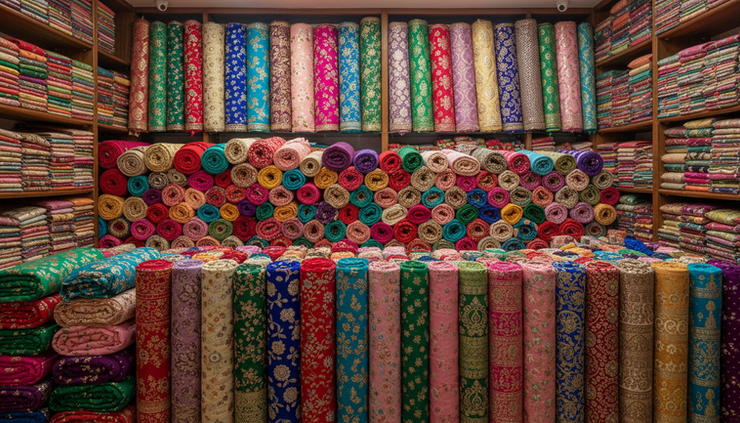
Surat works well for wedding-season sourcing because it offers variety at scale. Buyers can find plain base fabrics, dyed fabrics, printed fabrics, embroidered panels, sarees, dupattas, lehenga materials, lace borders, and matching trims in one supply ecosystem.
That matters during wedding season, when collections need depth. A single store may need pastel sarees for pre-wedding events, jewel-toned lehengas for receptions, lightweight outfits for destination weddings, and affordable festive sets for guests.
Surat’s strength lies in this mix:
Large variety of synthetic and blended fabrics
Strong options in embroidery, zari, sequins, and stone work
Quick availability across popular colors and designs
Good fabric options for sarees, lehengas, gowns, kurtas, and dupattas
Multiple quality grades for budget, mid-range, and premium collections
The best sourcing strategy is not to buy whatever looks newest. It is to match fabric, use case, finish, and customer expectation. Here are the top five trendy fabrics to source from Surat for the upcoming wedding season, with practical buying notes for each one.
1. Organza is the fabric of choice for modern festive sarees
Organza has become one of the most visible wedding-season fabrics because it delivers a premium look without feeling too heavy. It has a crisp hand, a sheer finish, and a structured drape that works beautifully for sarees, dupattas, overlays, and lehenga layers.
The fabric suits the current demand for lighter occasion wear. Many wedding shoppers want pieces they can wear for engagement ceremonies, haldi events, mehendi functions, cocktail evenings, and festive dinners. Organza fits that need because it looks dressy but feels less bulky than traditional heavy fabrics.
What makes organza popular
Organza holds volume well. A saree in organza can look fuller and more polished, even with minimal embroidery. This makes it ideal for floral prints, pearl work, cutdana work, zari borders, and delicate sequin patterns.
Surat markets often carry organza in many versions, including plain dyed, digitally printed, embroidered, foil printed, and jacquard-style effects. Pastel shades remain strong, especially blush pink, ivory, mint, powder blue, lavender, and champagne. For evening wear, wine, emerald, navy, and copper tones also work well.
Best wedding uses
Organza works especially well for:
Sarees with floral prints or light embroidery
Dupattas for lehenga and sharara sets
Layered gowns and anarkalis
Bridal trousseau pieces with subtle shimmer
Bridesmaid and family wedding outfits
Sourcing tip
Check the stiffness before buying in bulk. Too much stiffness can make the fabric uncomfortable, while very soft organza may lose the structured look that makes it desirable. Also inspect zari and sequin work closely. On sheer fabrics, poor finishing shows quickly.
2. Georgette remains the safest all-round wedding fabric
Georgette never really leaves wedding fashion because it solves a common problem. It drapes well, takes embroidery beautifully, and feels manageable during long events. For retailers and designers, it is one of the most practical fabrics to stock because it works across sarees, lehengas, gowns, salwar suits, and Indo-western silhouettes.
Surat is widely known for georgette sarees and dress materials, making this fabric a reliable sourcing choice for wedding-season volume.
Why georgette sells well
Georgette has a soft flow without looking flat. It moves gracefully, which makes it flattering for sarees and flared outfits. It also supports a wide range of surface work, from light sequins to heavier thread embroidery.
Wedding shoppers often choose georgette when they want festive clothing that is easier to wear than stiff or heavy fabric. It packs well, travels well, and works for indoor and outdoor celebrations.
Best wedding uses
Georgette is ideal for:
Embroidered sarees
Flowy lehengas
Anarkali suits
Sharara and gharara sets
Cocktail gowns
Bridesmaid collections
What to look for in Surat
Focus on the fabric weight and transparency. Some georgette varieties need lining, while others feel more substantial. If sourcing embroidered georgette, inspect whether the base fabric can carry the embroidery without pulling or puckering.
Also test the fall by holding the fabric from one corner. A good georgette should fall smoothly rather than cling awkwardly or collapse without shape.

3. Net and tulle are strong picks for statement lehengas
Net and tulle are made for drama. They create volume, hold embellishment, and give lehengas and gowns a light yet grand look. For the wedding season, they work especially well in bridal, reception, and sangeet collections.
In Surat, net fabrics are commonly available in plain, embroidered, glitter, sequin, and lace-style finishes. Many buyers use them as overlays on satin, silk-blend, or crepe linings, which adds depth without making the garment too heavy.
Why net and tulle keep trending
Modern wedding wear often needs to look impressive in photos and videos. Net and tulle help create that effect. They can carry large motifs, scattered sequins, floral embroidery, and layered borders. The result feels festive from a distance and detailed up close.
They also support popular silhouettes such as layered lehengas, cape dupattas, trail gowns, ruffled dupattas, and flared skirts.
Best wedding uses
Net and tulle suit:
Bridal lehengas
Reception gowns
Sangeet outfits
Cape-style blouses and overlays
Dupattas with borders
Kids’ wedding wear
Sourcing tip
Do not judge net only by the embroidery. Touch the base fabric. A rough net can feel scratchy, especially around the neck, sleeves, and waistline. For premium wedding wear, choose softer net or use a better lining.
Also check embroidery density. Heavy embroidery on weak net can tear during stitching or wear. Ask for sample cuts if buying large quantities for production.
4. Satin and satin blends bring shine to evening wear
Satin has made a strong return in wedding collections because it offers shine, smoothness, and a refined finish. It works beautifully for cocktail nights, receptions, engagement parties, and contemporary bridal events.
Surat offers satin and satin-blend fabrics in many qualities, including lighter options for draped outfits and heavier options for structured wear. The best pieces have a smooth face, good fall, and a shine that looks rich rather than overly glossy.
Why satin works for the season
Wedding wardrobes are no longer limited to traditional silhouettes. Brides and guests often look for gowns, pre-draped sarees, corset-style blouses, co-ord sets, and fusion pieces. Satin fits these styles well.
It also pairs beautifully with other fabrics. Satin lining under net adds richness. Satin blouses with organza sarees feel modern. Satin lehenga skirts with embroidered dupattas give a clean, polished look.
Best wedding uses
Satin works well for:
Reception gowns
Pre-draped sarees
Contemporary lehengas
Blouses and corset tops
Saree petticoats for better fall
Inner layers for net and organza outfits
What to check before buying
Satin can show stitching flaws, water spots, and crease lines. For premium collections, inspect the surface under good light. Look for shade consistency across rolls, especially if pieces will be cut for sets.
Also test how easily the fabric snags. A satin that catches quickly may create customer complaints after one or two wears.

5. Jacquard and brocade fabrics are back for rich traditional looks
While sheer and flowy fabrics are trending, wedding customers still want richness. Jacquard and brocade-style fabrics fill that space. They bring woven patterns, metallic effects, and a traditional mood that suits wedding wear across regions.
Surat has a strong market for jacquard and brocade-inspired fabrics used in sarees, lehengas, blouses, sherwani materials, jackets, and dupattas. These fabrics can create a premium look even with simple stitching.
Why jacquard and brocade feel relevant again
The trend is moving toward statement texture. Instead of very heavy embroidery on every garment, many buyers now prefer woven motifs, antique effects, tone-on-tone patterns, and metallic highlights.
Jacquard and brocade fabrics offer this richness directly in the weave. The surface looks detailed without needing too much added work. That helps control production time and makes the fabric suitable for quick wedding-season collections.
Best wedding uses
Jacquard and brocade are strong choices for:
Bridal and festive lehengas
Saree blouses
Dupattas with woven borders
Men’s ethnic jackets
Sherwani-style fabrics
Potli bags and accessories
Family wedding outfits
Sourcing tip
Check the back side of the fabric. Loose floats can snag during cutting, stitching, or wearing. Also ask how the fabric behaves after pressing. Some metallic yarns can flatten, while better-quality fabrics keep their texture.
For wedding-season buying, keep both classic and modern colors in the range. Gold, maroon, red, and emerald work for traditional buyers. Ivory, champagne, rust, lilac, and sage can attract customers looking for a softer look.
How to choose the right fabric mix for the wedding season
A strong wedding-season collection needs balance. If every fabric is heavy, the collection may feel expensive and difficult to wear. If every fabric is light, it may not look festive enough. The goal is to cover different wedding functions, price ranges, and style preferences.
A smart sourcing mix from Surat could look like this:
Fabric | Best for | Collection role |
Organza | Sarees, dupattas, overlays | Light premium festive wear |
Georgette | Sarees, lehengas, suits | High-volume all-rounder |
Net and tulle | Bridal lehengas, gowns | Statement and reception wear |
Satin and satin blends | Gowns, blouses, draped sarees | Modern evening wear |
Jacquard and brocade | Lehengas, blouses, jackets | Rich traditional pieces |
This mix gives room to serve different customers and events. A buyer can create pastel organza sarees for daytime functions, georgette sets for guests, satin gowns for cocktail events, net lehengas for sangeet nights, and jacquard pieces for traditional ceremonies.
Quality checks before placing a bulk order
Trendy fabric only works if the quality holds up. Wedding garments face long hours, bright lights, travel, repeated trials, and careful handling expectations. Before confirming a large order, run a few basic checks.
Check color consistency
Compare fabric from different parts of the roll. Wedding sets often need matching blouses, dupattas, borders, and panels. Even slight shade variation can create problems during stitching.
Test the drape
Hold the fabric on a mannequin, form, or shoulder line if possible. Some fabrics look beautiful when folded but fail when draped.
Inspect embroidery finishing
Look for loose threads, missing sequins, uneven zari, rough backing, and puckering. Embroidery should sit cleanly on the base fabric.
Confirm lining needs
Organza, net, tulle, and lighter georgette often need lining. Factor that into pricing before buying.
Ask for sample cuts
For production orders, a small sample helps test cutting, stitching, pressing, and finishing. This is especially useful for satin, net, and heavily embroidered fabrics.

Color trends to watch while sourcing
Wedding colors are wider than ever. Traditional shades still sell, but softer and moodier tones now have strong demand.
For daytime events, look at:
Ivory
Peach
Blush pink
Mint
Powder blue
Lavender
Pale yellow
For evening events, source:
Wine
Emerald
Midnight blue
Copper
Antique gold
Charcoal
Deep plum
For bridal and family wear, keep classics ready:
Red
Maroon
Rani pink
Mustard
Royal blue
Gold
Bottle green
The strongest collections usually pair safe sellers with a few fresh shades. For example, an organza saree range can include blush and mint, while a jacquard range can carry maroon and antique gold.
The best fabric to prioritize this season
If only one fabric gets priority, choose organza for fashion-led collections and georgette for volume-led collections.
Organza gives a fresh, elegant wedding look and works well for sarees, dupattas, and light lehengas. Georgette offers safer movement across categories and price points. For a complete collection, pair both with net, satin, and jacquard to cover the full wedding calendar.
Surat gives buyers the flexibility to test trends without locking into one style. Start with clear categories, inspect quality carefully, and build a fabric mix that covers daytime, evening, traditional, and modern wedding looks. The right fabric selection can turn a seasonal collection from ordinary stock into pieces people reach for when the invitations start arriving.


Comments